
Will Solicitors
At Talbots Law, our Will lawyers are with you every step of the way to give you and your family real peace of mind. Life is full of twists and turns, but making a Will means you stay in control of what happens next.
None of us knows what the future holds, but making a Will means you can decide what happens to your money, property and possessions when you die.

Without a valid Will, your estate will generally be distributed according to the rules of intestacy, which may not reflect your wishes or provide for the people you’d like to benefit.
Our Will solicitors can help you put a Will in place that’s tailored to your circumstances, whether you’re making your first Will, updating an existing one or dealing with more complex family or financial arrangements.
Ready to take the next step? Call us on 0800 118 1500 to to arrange a meeting with one of our Will solicitors, or simply complete the form below and a member of our team will be in touch.
What Happens If I Die Without A Will?
If you die without a valid Will, you are said to have died intestate.
The intestacy rules determine who inherits your estate and how much they receive. This may not reflect your wishes, particularly if you have an unmarried partner, stepchildren, children from a previous relationship or other family circumstances that don’t fit neatly within the intestacy rules.
Making a Will means you can make these decisions yourself rather than leaving them to the law.
Find out more in our frequently asked questions below.
Making a Will can bring real peace of mind
By putting Wills and lasting powers of attorney (LPA) in place as early as possible you know your wishes will be respected. Everyone knows making a Will is something we all need to do, yet so many of us just don’t get around to it.
Our little guide is designed to offer simple advice to help you understand the importance of making wills and LPAs, and the problems and conflicts they can help avoid. You can also download our later-life booklet.

Why Should You Make a Will With Talbots Law?
When you choose Talbots Law, you are in safe hands. With a wealth of experience helping individuals and families, we are experts in will writing. We’re members of the Law Society Wills and Inheritance Quality Scheme (WIQS) an many of the team are also members of the Society of Trusts and Estates Practitioners (STEP), The Association of Lifetime Lawyers and Dementia Friends.
We know that cost is a huge concern, which is why our highly competitive prices are fixed with you at the outset. A small investment now offers you peace of mind and protection for your loved ones.
With offices across the country and a team of specialists covering a wide range of legal services, we are able to provide practical advice tailored to your individual circumstances. As an employee-owned firm, we are committed to delivering exceptional service, clear communication and legal support you can trust. Our reputation is reflected in the thousands of positive reviews we have received from happy clients. Read our Trustpilot reviews.
Frequently Asked Questions
Do I need a Will?
Dying intestate (without a will) results in the law deciding who will inherit your estate and look after your children, and will also mean that any charities and friends may be prevented from benefitting.
Where there’s a DIY will, it could be a false economy – it may not meet legal requirements in order to be valid. It may use language that is confusing or ambiguous. Worse still, the will might not reflect your wishes, potentially leading to family disputes and inadequate provision for a loved one.
Why should I make a Will?
- Choose who gets what
You decide who gets your property, your money, your possessions. It doesn’t matter how much or how little you have, you decide who gets what. - Provide for those you leave behind
Making a will ensures your children are looked after by someone you trust. - Choose how to say goodbye
Set out your funeral wishes and your executor will follow those instructions, whether it’s an eco-friendly option or a more traditional one. - Choose who handles your estate
You choose your executor – someone that you know and trust who will carry out your wishes. - Protect your assets
A well-drafted will can substantially reduce the inheritance tax liability that might be payable, ensuring that more of your assets pass to your family. You can also leave a legacy to charity. This is the perfect time to think about helping others once you’ve gone. At Talbots, we support various charities (see our website for further details) but you can, of course, select the charity that’s most important to you.
What should my Will include?
Your Will is paramount in having control over the division of your assets even after you’re gone. It should therefore include as much information as possible regarding who will inherit and how much they are to receive. This includes any financial assets you have such as property, savings and possessions. The key is to be as specific as possible.
If you have any requests for your funeral proceedings, these can also be recorded in your Will.
As well as this, you’ll need to decide who you want to name as the executor of your Will. This person will be responsible for ensuring your wishes are carried out accordingly.
Can I make a Will myself?
There is no requirement to use a solicitor to make a Will, but there are strict legal requirements for a Will to be valid.
DIY Wills and templates may not take account of your individual circumstances and can contain wording that is unclear or fail to deal with important issues. Mistakes can create uncertainty for your family and potentially lead to disputes after your death.
Professional advice can help make sure your Will reflects your wishes and works alongside your wider estate planning.
When should I make or update my Will?
circumstances change.
Important life events that may be a good reason to review your Will include:
- Getting married or entering into a civil partnership
- Getting divorced or separating
- Having children or grandchildren
- Buying or selling property
- Receiving an inheritance
- Starting or selling a business
- A significant change in your financial circumstances
- The death of a beneficiary or executor
Even if nothing significant has changed, it’s sensible to review your Will periodically to make sure it still reflects your wishes.
Who should I appoint as my executor?
Your executor is responsible for dealing with your estate and carrying out the instructions in your Will.
You should choose someone you trust and who you believe will be able to deal with the responsibilities involved. You can appoint more than one executor, and professional executors can also be appointed where appropriate.
Our Will Solicitors are here to help
Contact us for a confidential, no obligation chat.
Our Trust & Estates Team are
ready to help you!
Our Will Solicitors

Amy Nichols
Chartered Legal Executive (FCILEx)
Amy Nichols is a Chartered Legal Executive (FCLIEx) in our Trusts & Estates team, based in our Stourb...

Amy Thompson
Solicitor
Amy Thompson is a Solicitor in our Trusts & Estates team, based in our Stourbridge office.

Bethany Didlock
Apprentice Solicitor
Bethany Didlock is an Apprentice Solicitor in our Trusts & Estates team, based in our Worcester offic...

Beverley Stanton
Chartered Legal Executive
Beverley is a Chartered Legal Executive working in our Trusts and Estates Department in Bewdley.
Chris Milne
Regional Director & Solicitor
Chris Milne is a Regional Director in our Trusts & Estates team, supporting clients across England an...

David Emery-Jones
Director & Solicitor
David Emery-Jones is a Director & Solcitior in our Trusts & Estates team, based in our Kidderminster o...

Emma Hawkins
Associate and Trusts & Estates Operations Manager
Emma Hawkins is an Associate and our Trusts & Estates Operations Manager, based at the Talbots Kidder...

Emma Marrow
Senior Associate & Trusts and Estates Executive
Emma Marrow is a Senior Associate & Trusts and Estates Executive in our Trusts & Estates Team, based i...

Gill Guest
Chartered Legal Executive & Associate
Gill qualified as a Chartered Legal Executive in 2006, benefiting from many years of experience, spe...
Gill Holder
Senior Associate & Legal Executive (FCILEx)
Gill Holder is a Chartered Legal Executive and Senior Associate in the Trusts & Estates team, based a...
Helen Alexander
Senior Associate & Solicitor
Helen Alexander is a Senior Associate & Solicitor in our Trusts & Estates team, based in our Shrewsbur...
Holly Elphick
Director & Deputy Head of Trusts & Estates
Holly is a Director and Deputy Head of our Trusts and Estates Department and is based in our Codsall...

Imogen D'Arcy
Associate & Solicitor
Imogen D'Arcy is an Associate & Solicitor in our Trusts & Estates team, working in our Worcester offic...
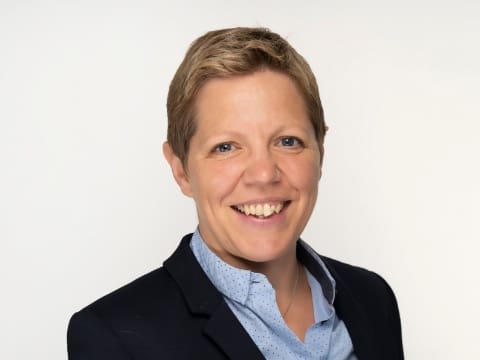
Jodi Flint
Director & Head of Trusts & Estates
Jodi is a Director and the Head of our Trusts & Estates team, based at our Kidderminster office.

Joyce Anderson
Legal Executive
Joyce is a Legal Executive in our Trusts and Estates team based in Halesowen.

Karolina Peplinska
Trusts & Estates Executive
Karolina Peplinska is a Trusts & Estates Executive in our Trusts & Estates Team, based in our Halesowe...
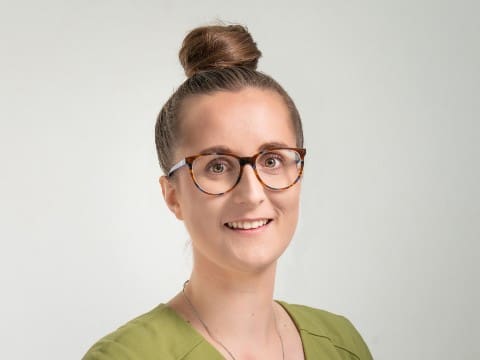
Katie Styles
Solicitor
Katie is a Solicitor in our Trusts & Estates team, based at our Kidderminster office, assisting clien...

Makhan Baryana
Associate & Solicitor
Makhan Baryana is an Associate & Solicitor in our Trusts & Estates team, working in our Coventry offic...
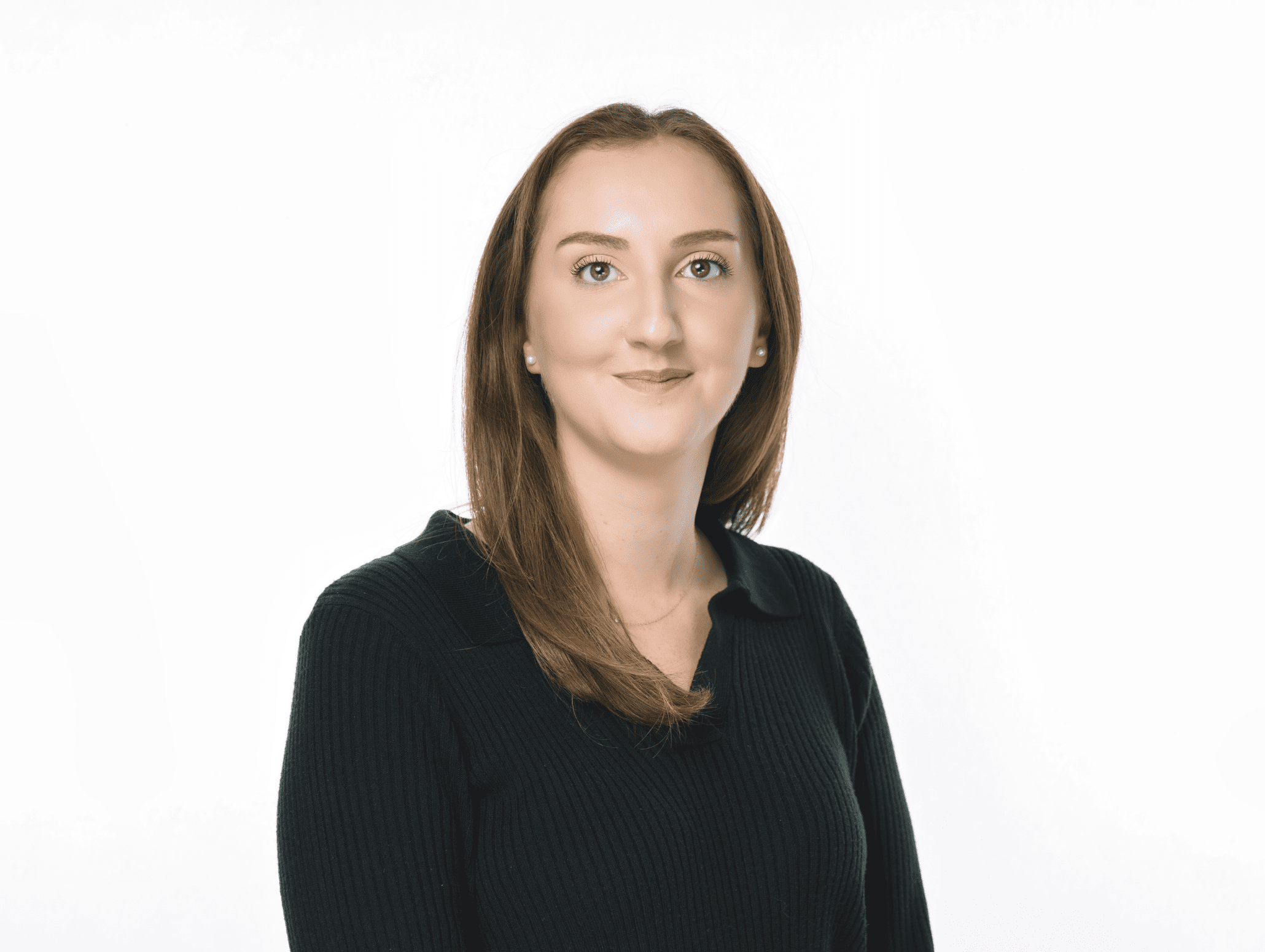
Michelle Bennett
Solicitor
Michelle Bennett is a Solicitor in our Trusts & Estates Team, based in our Hanley office.

Michelle Hetheridge
Director & Solicitor
Michelle Hetheridge is a Director & Solicitor in our Trusts & Estates Team working from our Dudley off...

Molly King
Trainee Solicitor
Molly King is a Trainee Solicitor in our Trusts & Estates department, based in our Birmingham Office ...

Nikita Cheeta
Solicitor
Nikita Cheeta is a Trusts & Estates Solicitor based in our Edgbaston office, and has supported client...

Omar Jones-Lewis
Senior Associate & Solicitor
Omar Jones-Lewis is a Senior Associate & Solicitor in our Trusts & Estates team, based in our Dudley o...

Peter Hamilton
Consultant Director
Peter Hamilton is a Consultant Director in our Trusts & Estates Team, based in our Leek office.

Rachel Manby
Senior Associate & Solicitor
Rachel Manby is a Senior Associate & Solicitor in our Trusts & Estates Team, based in our Hanley offic...
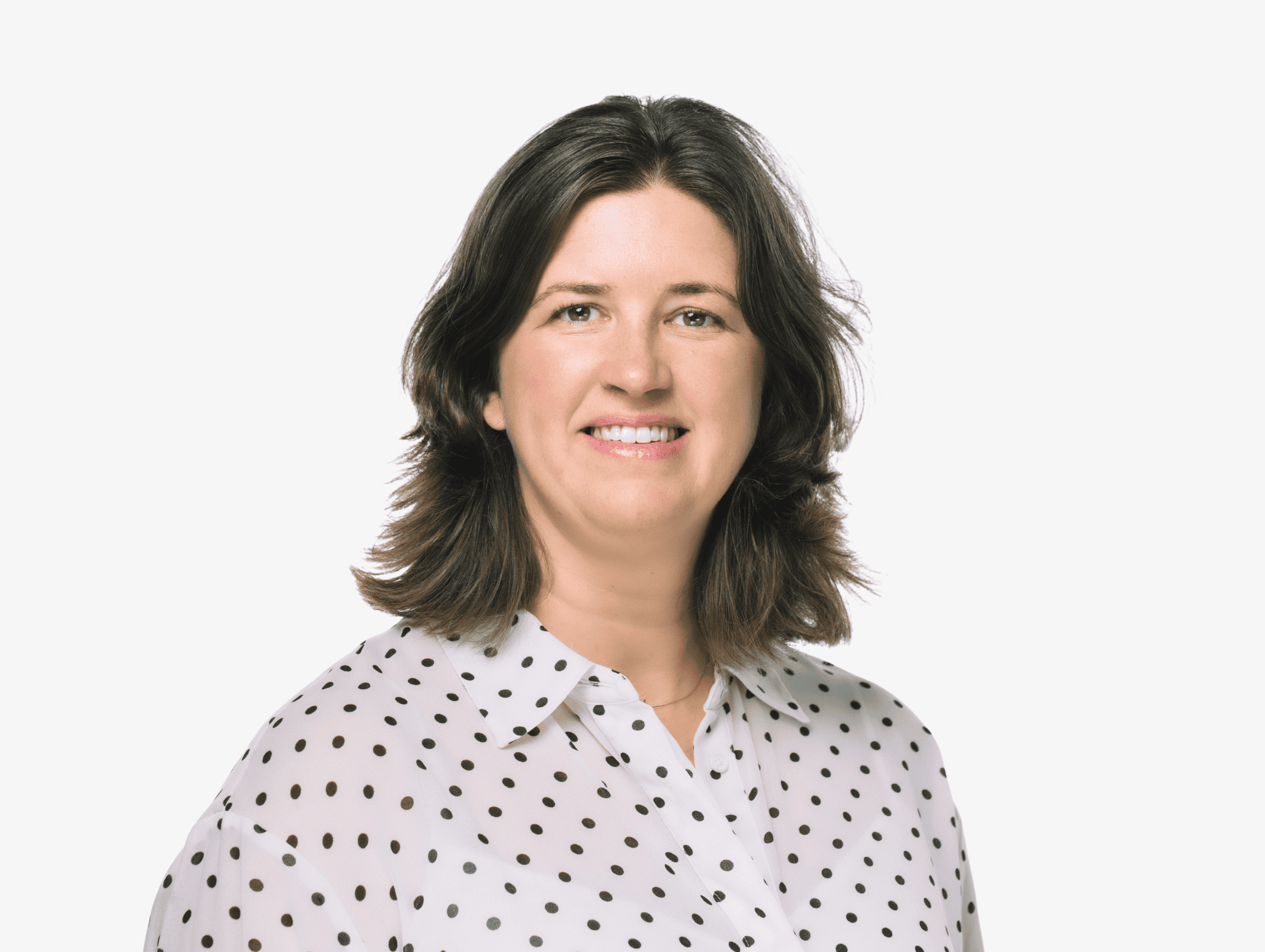
Rebecca Randle
Senior Associate & Solicitor
Rebecca is a Senior Associate & Solicitor in our Trusts & Estates team, based at our Stourbridge offic...

Rebecca Waters
Solicitor
Rebecca Waters is a Solicitor in our Trusts & Estates team, based in our Market Drayton office.

Richard Hey
Tax & Trusts Manager
Richard Hey is a Tax & Trusts Manager in our Trusts & Estates team, working in our Hanley office.

Richard Stone
Director & Head of Trust and Taxation (Solicitor)
Richard Stone is a Director & Head of Trust and Taxation (Solicitor), based at our Stourbridge office...
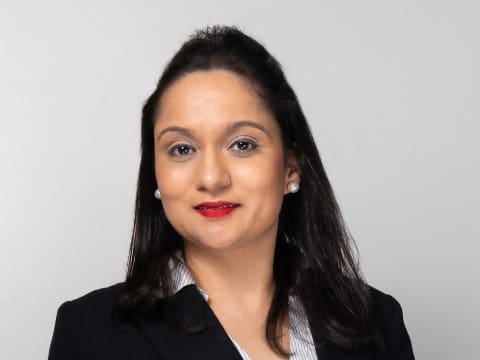
Rita Malhi
Senior Associate & Solicitor
Rita is a Trusts & Estates Solicitor and Senior Associate based in our Wolverhampton offices.

Ron Thomas
Senior Associate & Solicitor
Having qualified in 1992, Ron has been expertly supporting clients for more than 30 years. He is a S...
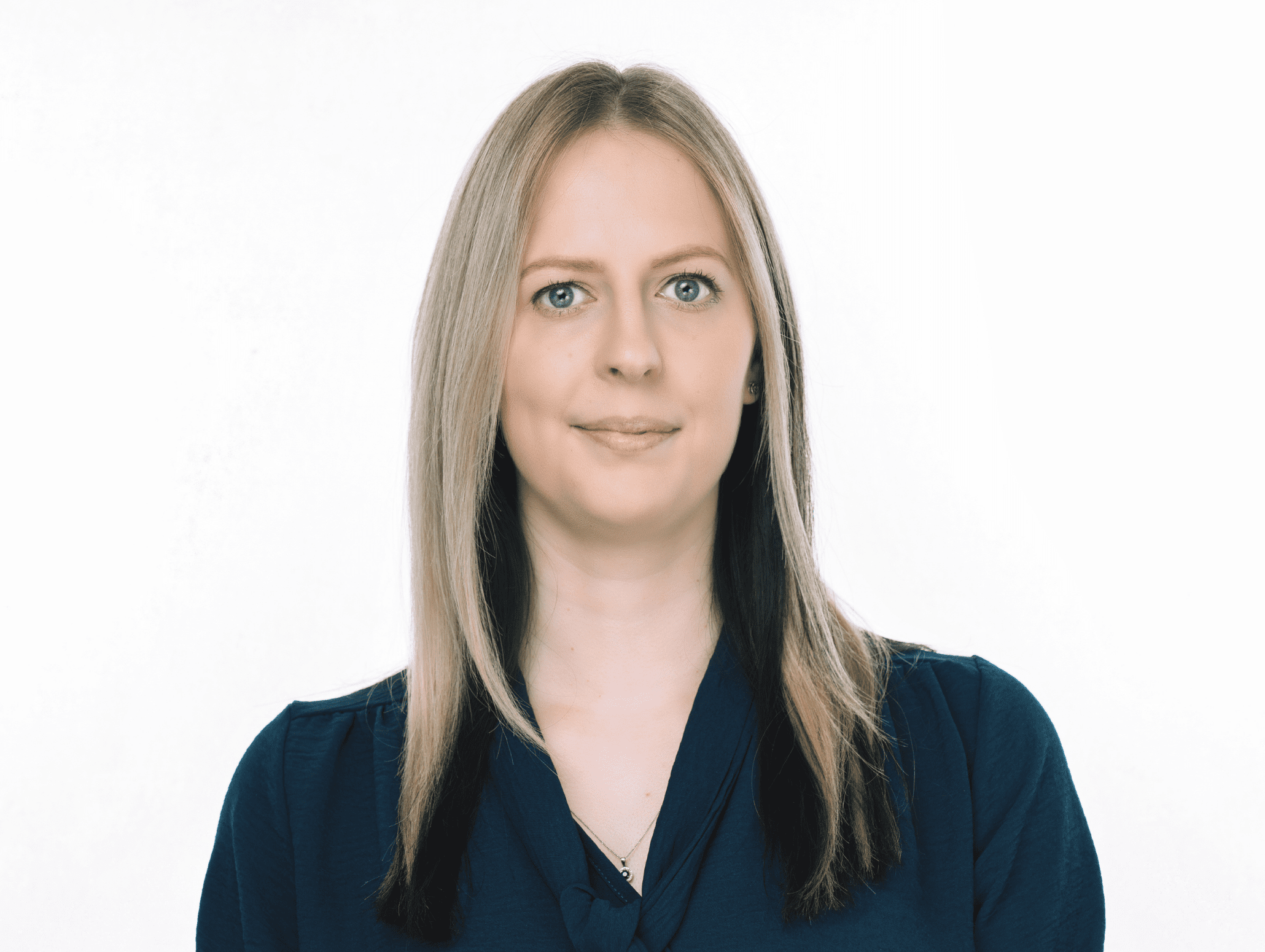
Sarah Husbands
Chartered Legal Executive
Sarah Husbands is a Chartered Legal Executive working in our Trusts & Estates team, based in Market D...
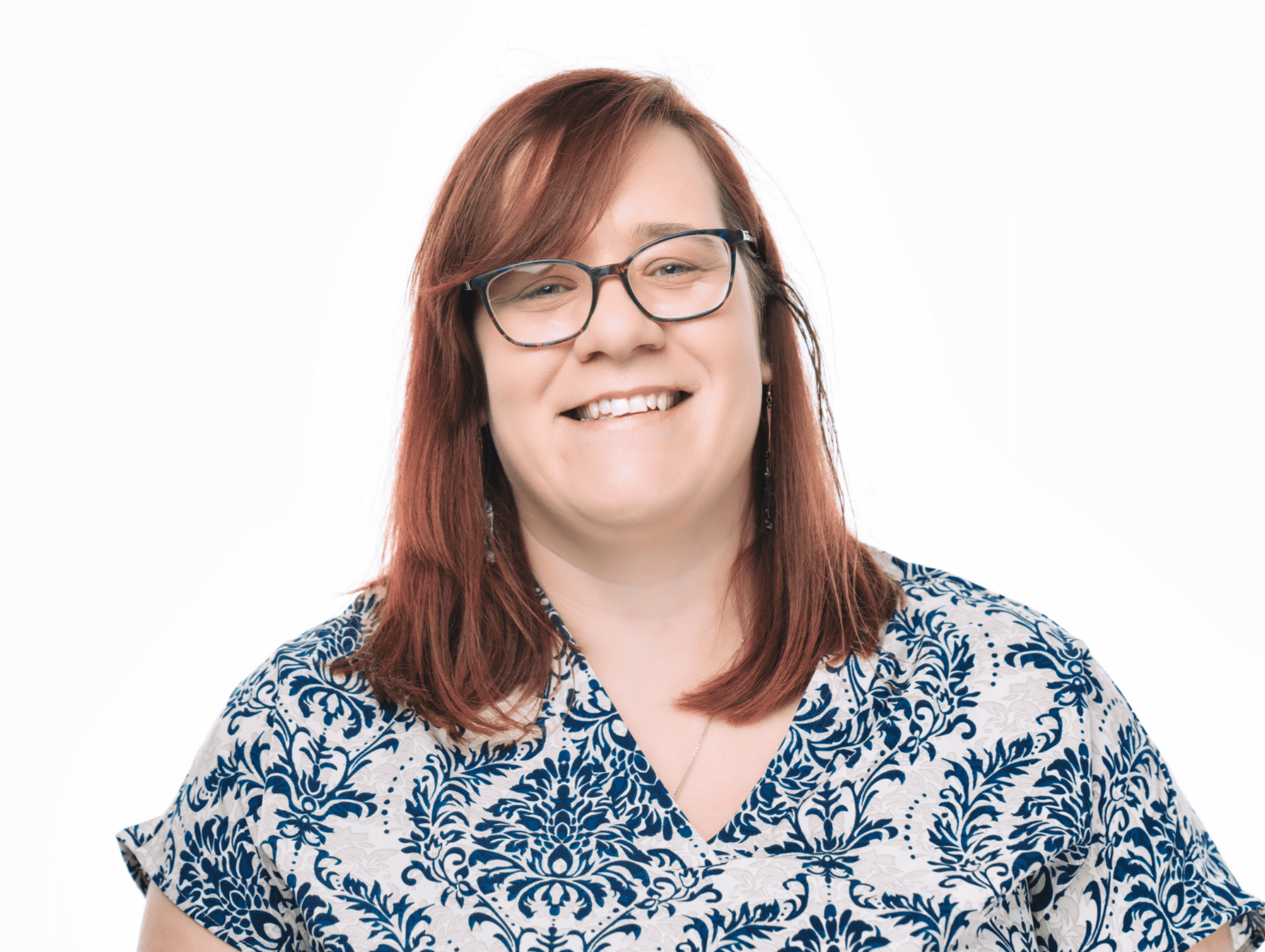
Sarah McDermott
Paralegal
Sarah McDermott is a Paralegal in our Trusts & Estates Team working from our Market Drayton office.

Shivali Gill
Senior Associate Solicitor
Shivali Gill is a Senior Associate Solicitor in the Trusts & Estates team based at our Coventry offic...
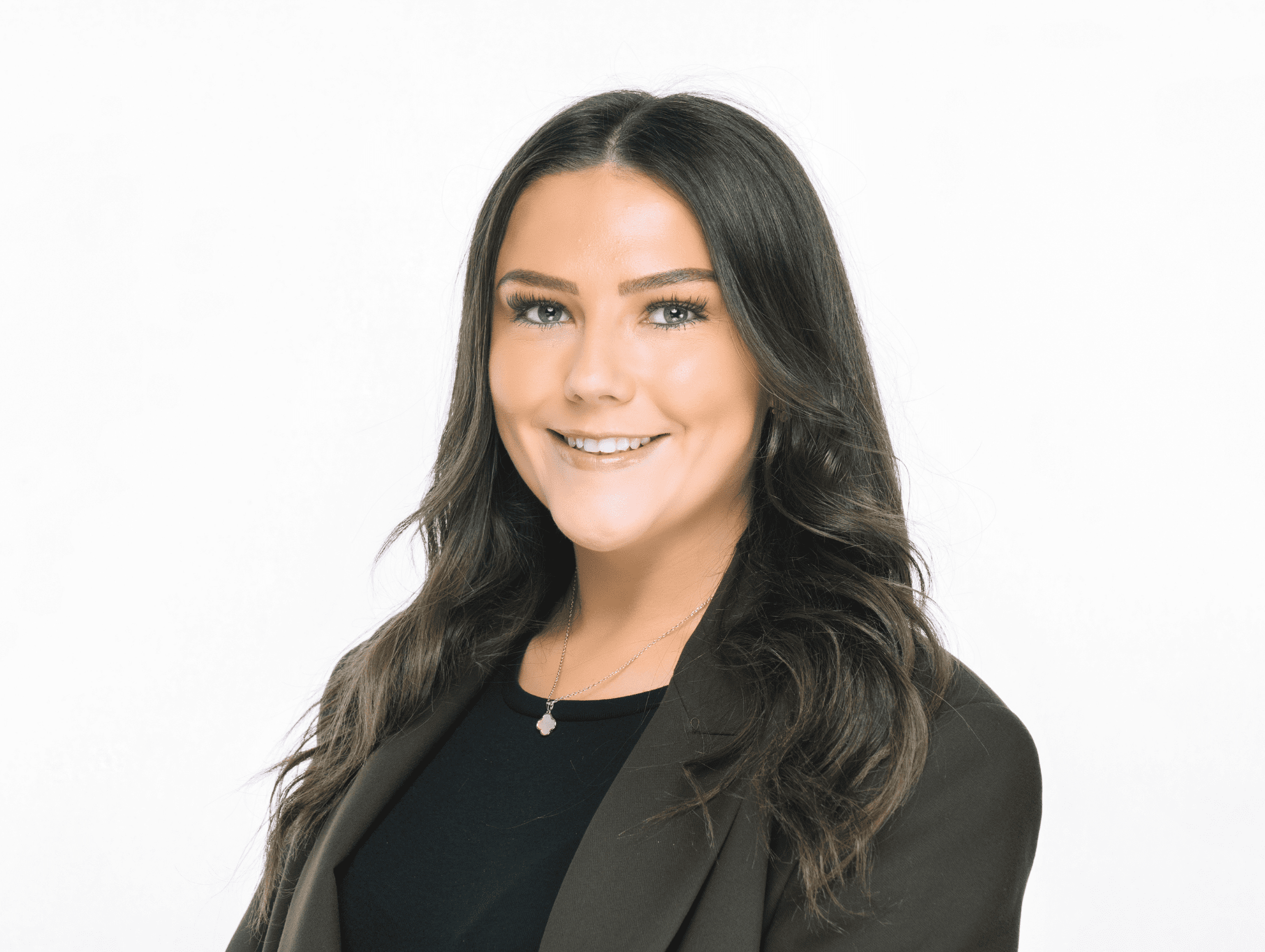
Sophie Matthias
Solicitor
Sophie Matthias is a Solicitor in our Trusts & Estates team, working in our Hanley office.
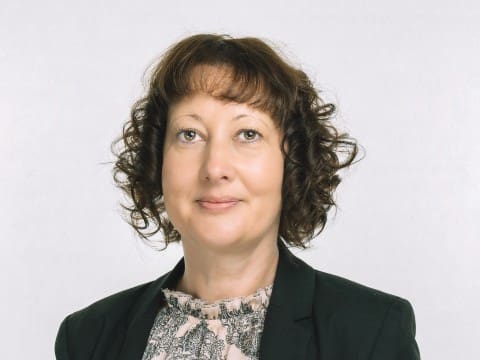
Stacey Walker
Solicitor
Stacey Walker is a Solicitor in the Trust & Estates team at our Dudley and Bewdley offices

Sue Howard
Senior Associate & Solicitor
Sue is a Senior Associate & Solicitor in our Trusts and Estates team. Qualified since 1997, Sue is a ...
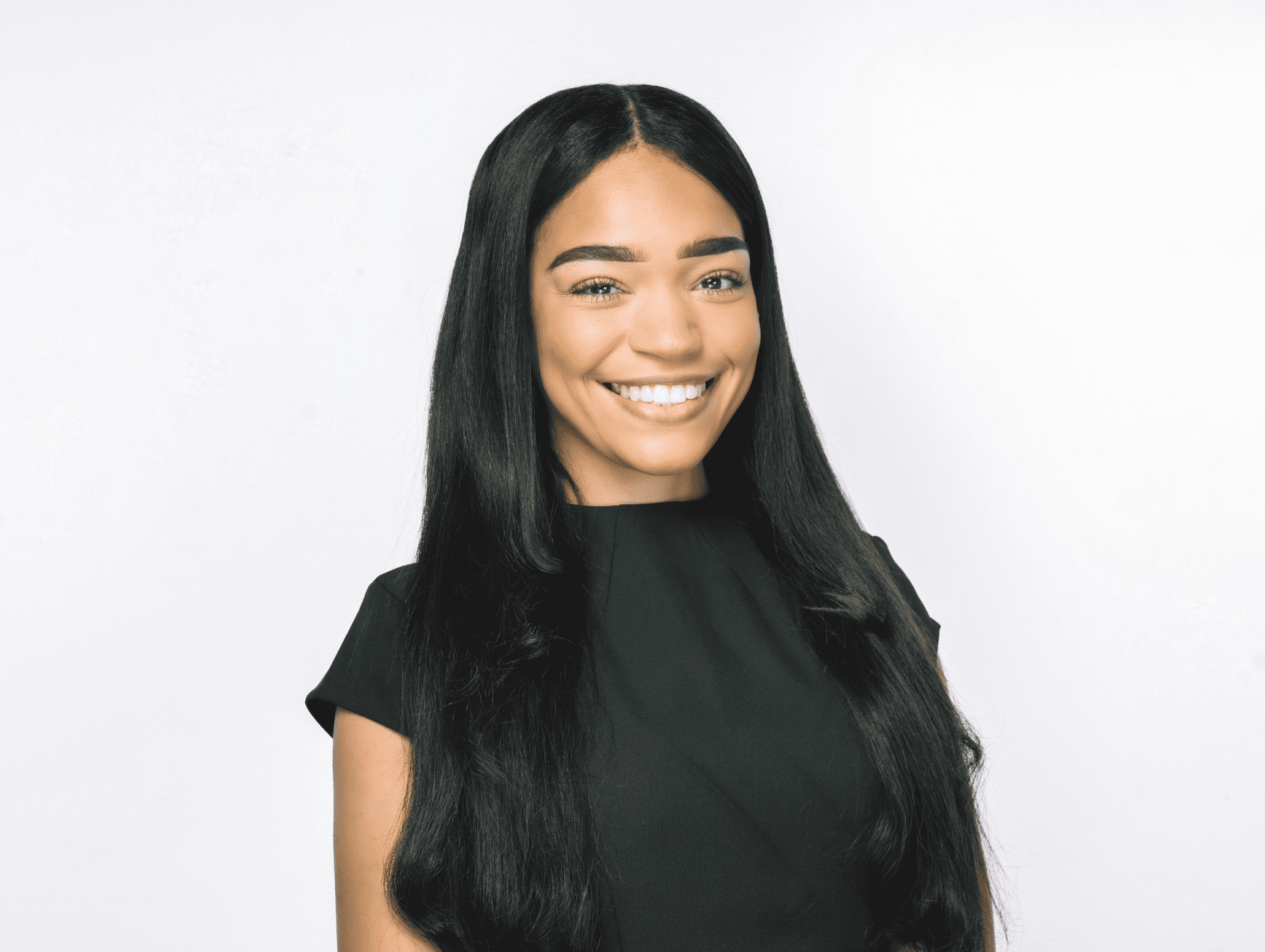
Tamika Reid
Trainee Solicitor
Tamika Reid is a Trainee Solicitor in our Trusts & Estates team, based in our Worcester Office.
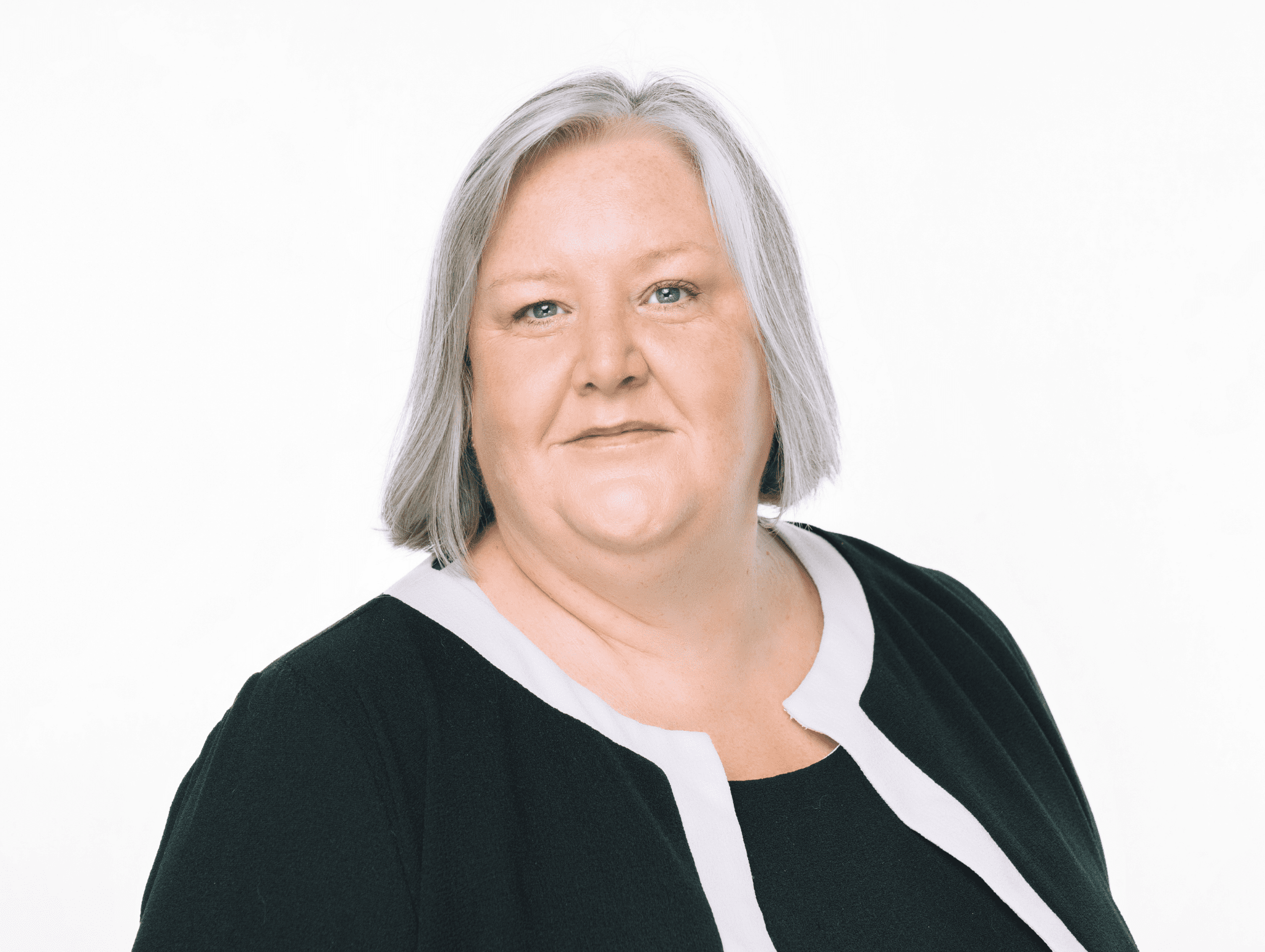
Teressa McDonald
Regional Director & Solicitor
Teressa McDonald is a Regional Director in our Trusts & Estates Team, based out of our Market Drayton...

Toni Brazier
Solicitor
Toni Brazier is a Solicitor in our Trusts & Estates Team, based in our Hanley office.

Trish Venables
Director & Head of Court of Protection
Trish is a Director and Solicitor in our Trusts & Estates team, and also our Head of Court of Protect...

Victoria Anderson
Solicitor & Associate
Victoria is a solicitor & associate in our Trusts & Estates team based at our Dudley and Codsall offi...
What Our Clients Say About Our Trust & Estates Team
Sue, your service has been excellent, very professional and you were always willing to explain issues if needed. I am so glad we were put in touch with you. You have answered any questions quickly, so thank you - you’ve been great!
Excellent service at Talbots Codsall. Quick to get an appointment, fast and efficient service. Very friendly team who explained everything clearly. Would recommend.
Vicky took the time to make a home visit to our Mum. Friendly, approachable & patient in explaining things so our Mum felt relaxed and able to ask questions. Very professional service. Would highly recommend.