
Power of Attorney
At Talbots Law, we make setting up a Power of Attorney straightforward, giving you peace of mind that your affairs will always be in safe hands.
Putting a Lasting Power of Attorney in place means the people you trust can step in and support you if you are ever unable to make decisions yourself.
Whether you are planning ahead for the future, supporting an ageing parent, or protecting your family from uncertainty, our Power of Attorney solicitors can guide you through the process with clear advice and compassionate support.
No matter how complex the situation, we’ll do everything we can to find a resolution that meets your specific needs. Speak to a member of our team today to arrange a meeting by calling us on 0800 118 1500 or filling out our online form below.
What is a Lasting Power of Attorney?
A Lasting Power of Attorney (LPA) is a legal document that allows you to appoint someone you trust to make decisions on your behalf if you are ever unable to do so yourself.
Many people assume LPAs are only needed later in life, but illness, accidents or unexpected changes in circumstances can happen at any age.
Having an LPA in place means the people closest to you can step in quickly and legally if support is ever needed, without lengthy court applications or unnecessary delays.
Find out more in our frequently asked questions belows.
Why Having an LPA Matters
Without a valid Lasting Power of Attorney, your loved ones may not automatically have the legal authority to make decisions for you.
In some situations, families may need to apply to the Court of Protection to gain permission to act on someone’s behalf, which can be expensive, stressful and time-consuming.
Putting an LPA in place early can help avoid uncertainty and give everyone clarity about your wishes.

When Might You Need a Power of Attorney?
Planning Ahead for the Future
Many people put LPAs in place simply for peace of mind, knowing their wishes and finances would be protected if circumstances changed unexpectedly.
Supporting Elderly Parents
Families often arrange Powers of Attorney to help ageing parents manage finances, healthcare decisions or care arrangements more easily.
Following a Diagnosis or Illness
Conditions such as dementia, Parkinson’s disease or serious illness can make it important to put arrangements in place sooner rather than later.
Business Owners and Property Owners
If you own a business or property, an LPA can help ensure important decisions can still be managed if you become unable to act yourself.
Couples and Young Families
Many younger couples now put LPAs in place alongside making a Will, particularly after buying a home or having children.
Why Choose Talbots’ Power of Attorney Lawyers?
At Talbots Law, we understand that planning for the future is deeply personal. Our experienced Trusts & Estates team combines legal expertise with a compassionate and approachable service, helping individuals and families make confident decisions about the future.
We explain everything in plain English, take the time to understand your circumstances, and ensure the process feels as straightforward and supportive as possible.
With offices across the country and a team of specialists covering a wide range of legal services, we are able to provide practical advice tailored to your individual circumstances. As an employee-owned firm, we are committed to delivering exceptional service, clear communication and legal support you can trust. Our reputation is reflected in the thousands of positive reviews we have received from happy clients. Read our Trustpilot reviews.
Frequently Asked Questions
What are the two types of Lasting Power of Attorney? Which one do I need?
There are two types of Lasting Power of Attorney (LPA), and many people choose to put both in place as part of their future planning.
A Property and Financial Affairs LPA allows someone you trust to help manage matters such as bank accounts, bills, property and finances. A Health and Welfare LPA allows someone to make decisions about medical treatment, care and day-to-day wellbeing if you lose mental capacity.
Our solicitors can explain the differences clearly and help you decide which option is right for your circumstances.
What happens if there is no Power of Attorney in place?
If there is no valid Lasting Power of Attorney in place and someone loses mental capacity, family members do not automatically have the legal authority to make decisions on their behalf.
In many cases, loved ones may need to apply to the Court of Protection to become a deputy, which can be a lengthy, stressful and expensive process. Putting an LPA in place early can help avoid uncertainty and ensure decisions can be made more smoothly if support is ever needed.
What decisions can an attorney make under a Lasting Power of Attorney?
The decisions an attorney can make will depend on the type of Lasting Power of Attorney that has been put in place.
An attorney appointed under a Property and Financial Affairs LPA may help manage finances, property and household bills. An attorney acting under a Health and Welfare LPA may make decisions about medical care, living arrangements and day-to-day wellbeing if the person loses mental capacity.
Attorneys must always act in the best interests of the person they are representing and follow any instructions included within the LPA.
When does a Lasting Power of Attorney come into effect? Can it be changed or cancelled later?
A Lasting Power of Attorney can only be used once it has been registered with the Office of the Public Guardian. A Property and Financial Affairs LPA can usually be used while you still have mental capacity if you choose to allow this, whereas a Health and Welfare LPA can only be used if you lose the ability to make decisions yourself.
An LPA can also usually be changed or cancelled later, provided you still have mental capacity. For example, you may decide to appoint a different attorney if your personal circumstances or relationships change over time.
Who should I choose as my attorney?
Your attorney should be someone you trust to make decisions in your best interests if you are ever unable to make them yourself.
Many people choose a spouse, partner, adult child, close relative or trusted friend. It is important to appoint someone who is reliable, organised and comfortable making important decisions if needed.
You should also consider whether the person understands your wishes and would feel confident acting on your behalf in the future.
What is the difference between a Will and a Power of Attorney?
A Will and a Lasting Power of Attorney are both important legal documents, but they deal with very different situations.
A Will explains what should happen to your estate after you die. A Lasting Power of Attorney allows someone you trust to make decisions on your behalf during your lifetime if you become unable to do so yourself.
Many people choose to put both in place as part of their wider future planning.
Do I need a solicitor for a Lasting Power of Attorney?
You are not legally required to use a solicitor to set up a Lasting Power of Attorney, but many people choose to seek legal advice to ensure everything is completed correctly.
Mistakes in the forms or issues with how the document is prepared can lead to delays or rejection by the Office of the Public Guardian. A solicitor can also help you understand your options, choose suitable attorneys and make sure the document reflects your wishes properly.
Our Power of Attorney solicitors are here to help
Contact us for a confidential, no obligation chat.
Our team are ready to
help you!
Our Power of Attorney Team

Amy Nichols
Chartered Legal Executive (FCILEx)
Amy Nichols is a Chartered Legal Executive (FCLIEx) in our Trusts & Estates team, based in our Stourb...

Amy Thompson
Solicitor
Amy Thompson is a Solicitor in our Trusts & Estates team, based in our Stourbridge office.

Bethany Didlock
Apprentice Solicitor
Bethany Didlock is an Apprentice Solicitor in our Trusts & Estates team, based in our Worcester offic...

Beverley Stanton
Chartered Legal Executive
Beverley is a Chartered Legal Executive working in our Trusts and Estates Department in Bewdley.
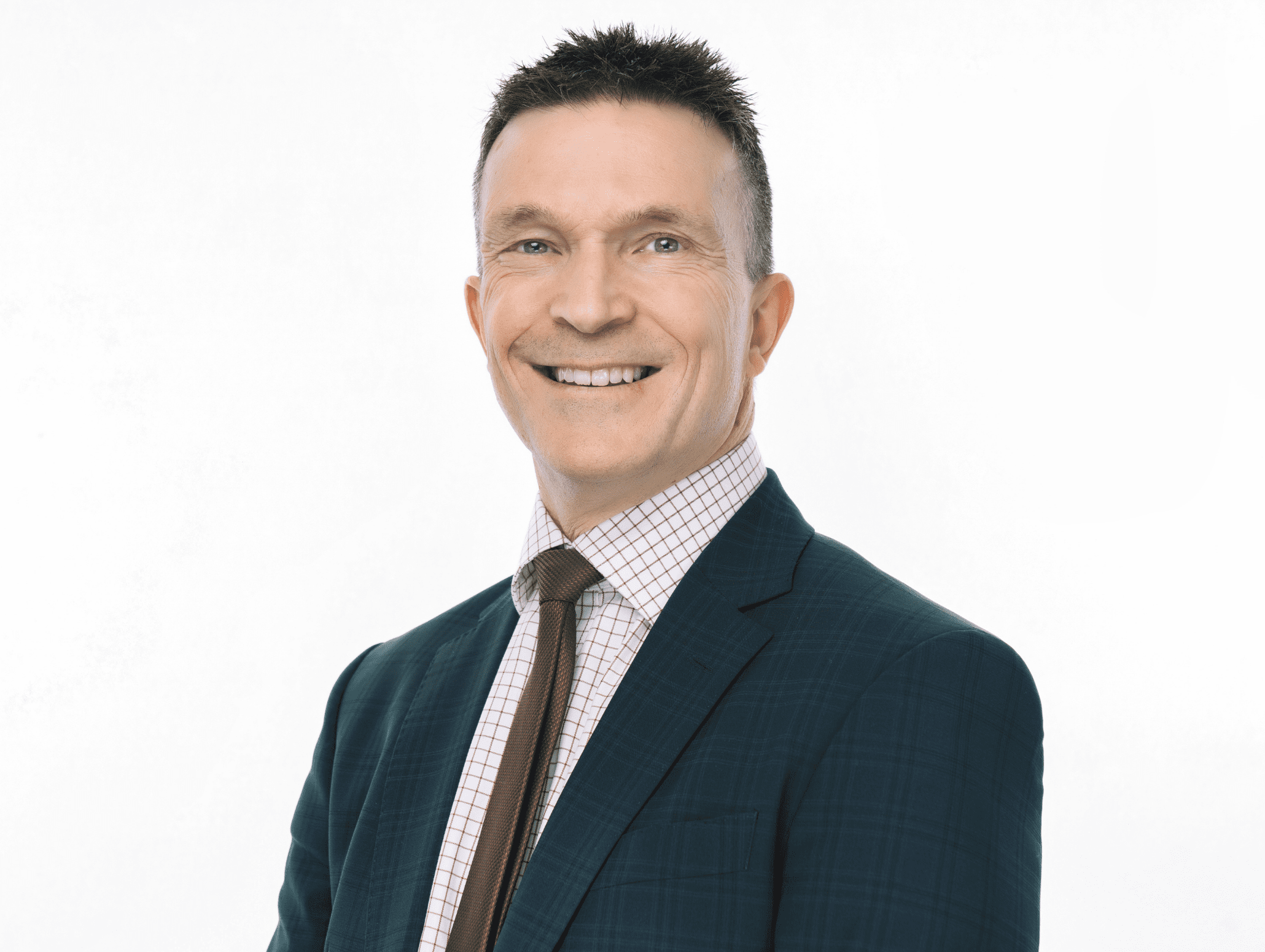
Chris Milne
Regional Director & Solicitor
Chris Milne is a Regional Director in our Trusts & Estates team, supporting clients across England an...

David Emery-Jones
Director & Solicitor
David Emery-Jones is a Director & Solcitior in our Trusts & Estates team, based in our Kidderminster o...

Emma Hawkins
Associate and Trusts & Estates Operations Manager
Emma Hawkins is an Associate and our Trusts & Estates Operations Manager, based at the Talbots Kidder...

Emma Marrow
Senior Associate & Trusts and Estates Executive
Emma Marrow is a Senior Associate & Trusts and Estates Executive in our Trusts & Estates Team, based i...

Gill Guest
Chartered Legal Executive & Associate
Gill qualified as a Chartered Legal Executive in 2006, benefiting from many years of experience, spe...

Gill Holder
Senior Associate & Legal Executive (FCILEx)
Gill Holder is a Chartered Legal Executive and Senior Associate in the Trusts & Estates team, based a...
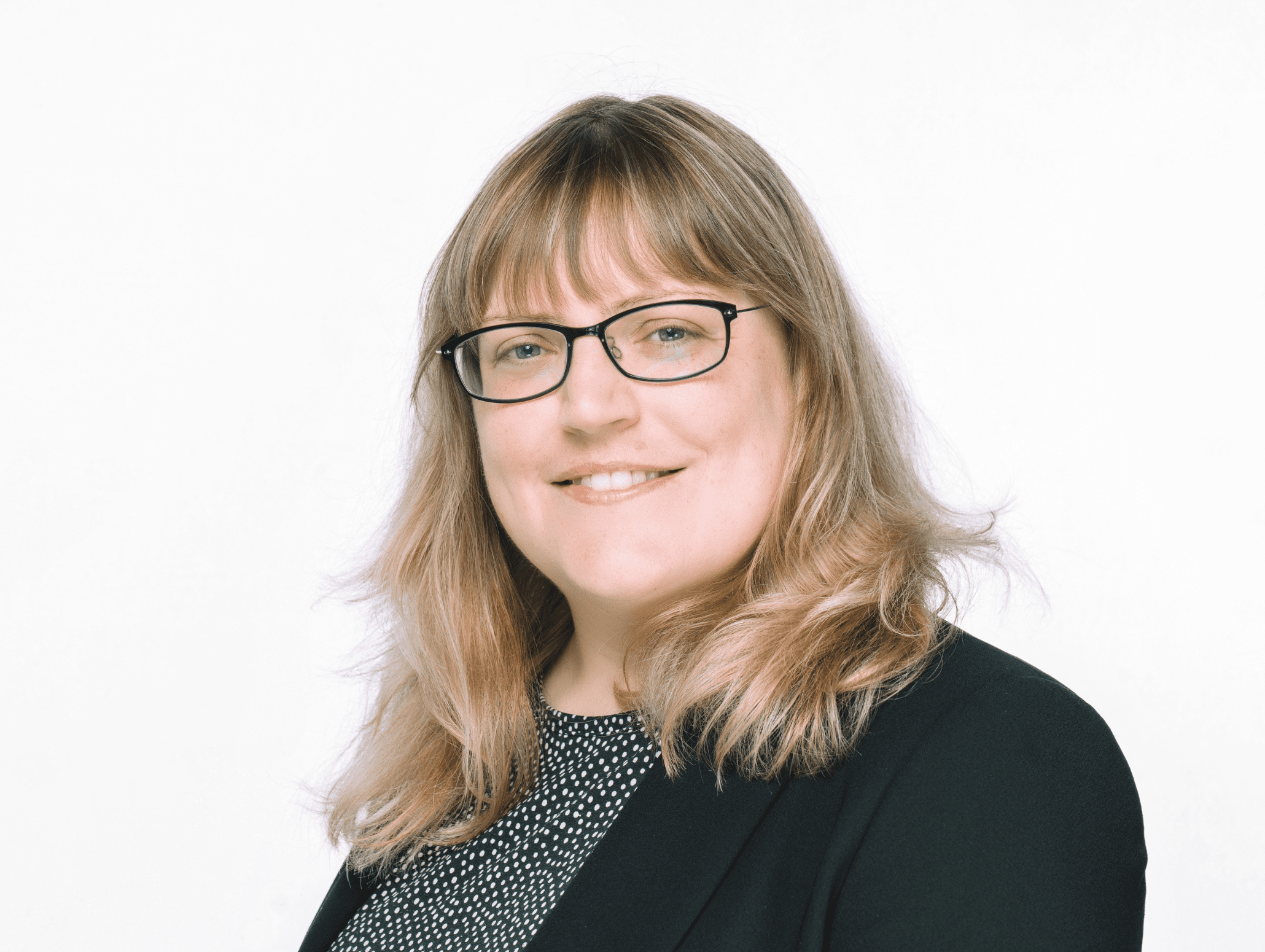
Helen Alexander
Senior Associate & Solicitor
Helen Alexander is a Senior Associate & Solicitor in our Trusts & Estates team, based in our Shrewsbur...

Holly Elphick
Director & Deputy Head of Trusts & Estates
Holly is a Director and Deputy Head of our Trusts and Estates Department and is based in our Codsall...

Imogen D'Arcy
Associate & Solicitor
Imogen D'Arcy is an Associate & Solicitor in our Trusts & Estates team, working in our Worcester offic...

Jodi Flint
Director & Head of Trusts & Estates
Jodi is a Director and the Head of our Trusts & Estates team, based at our Kidderminster office.

Joyce Anderson
Legal Executive
Joyce is a Legal Executive in our Trusts and Estates team based in Halesowen.

Karolina Peplinska
Trusts & Estates Executive
Karolina Peplinska is a Trusts & Estates Executive in our Trusts & Estates Team, based in our Halesowe...
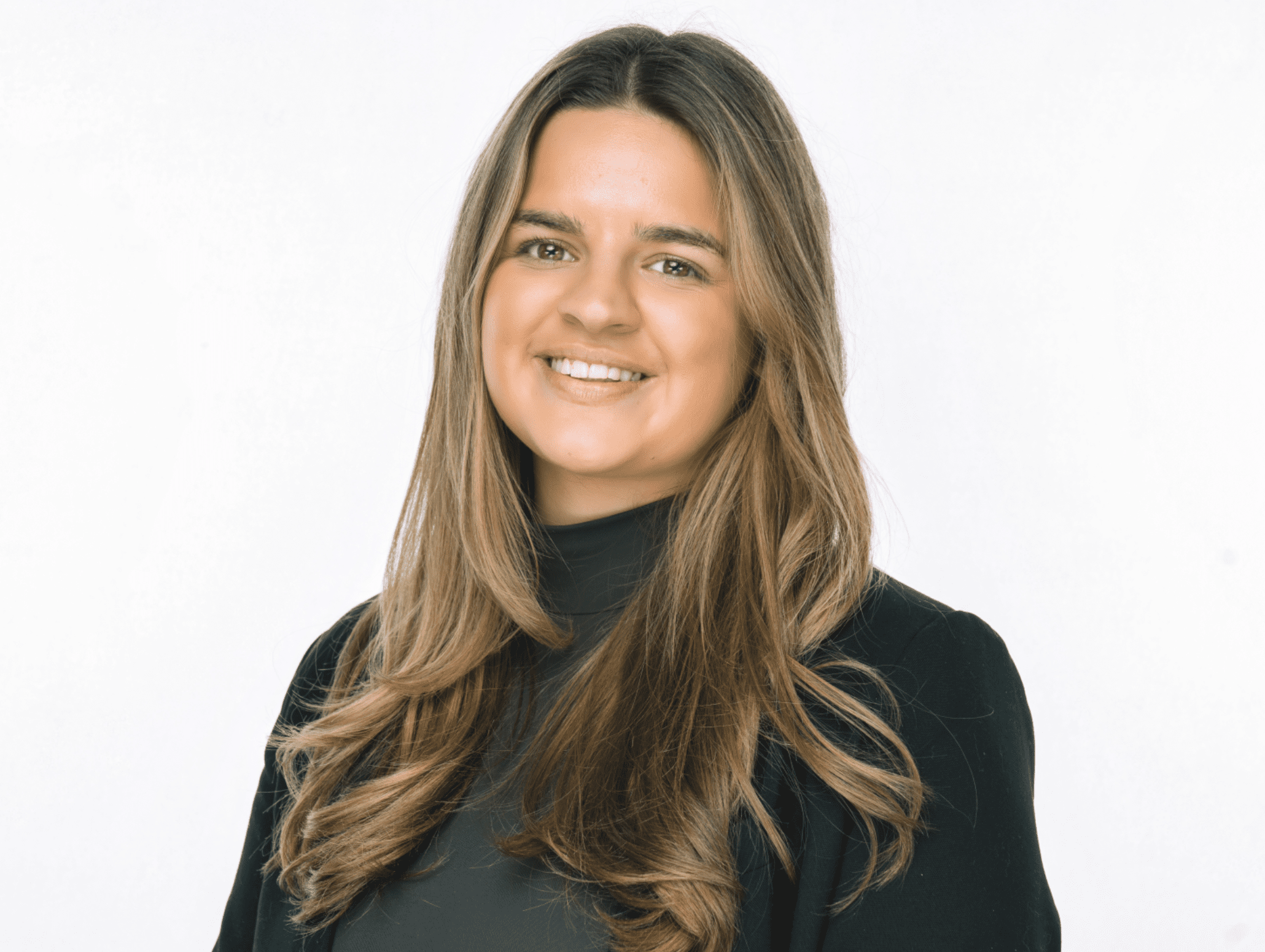
Kate Lilley
Trainee Solicitor
Kate Lilley is a Trainee Solicitor in our Trusts & Estates team, based in our Codsall office.

Katie Styles
Solicitor
Katie is a Solicitor in our Trusts & Estates team, based at our Kidderminster office, assisting clien...

Makhan Baryana
Associate & Solicitor
Makhan Baryana is an Associate & Solicitor in our Trusts & Estates team, working in our Coventry offic...

Michelle Bennett
Solicitor
Michelle Bennett is a Solicitor in our Trusts & Estates Team, based in our Hanley office.

Michelle Hetheridge
Director & Solicitor
Michelle Hetheridge is a Director & Solicitor in our Trusts & Estates Team working from our Dudley off...

Molly King
Trainee Solicitor
Molly King is a Trainee Solicitor in our Trusts & Estates department, based in our Birmingham Office ...

Nikita Cheeta
Solicitor
Nikita Cheeta is a Trusts & Estates Solicitor based in our Edgbaston office, and has supported client...

Omar Jones-Lewis
Senior Associate & Solicitor
Omar Jones-Lewis is a Senior Associate & Solicitor in our Trusts & Estates team, based in our Dudley o...

Peter Hamilton
Consultant Director
Peter Hamilton is a Consultant Director in our Trusts & Estates Team, based in our Leek office.

Rachel Manby
Senior Associate & Solicitor
Rachel Manby is a Senior Associate & Solicitor in our Trusts & Estates Team, based in our Hanley offic...

Rebecca Randle
Senior Associate & Solicitor
Rebecca is a Senior Associate & Solicitor in our Trusts & Estates team, based at our Stourbridge offic...

Rebecca Waters
Solicitor
Rebecca Waters is a Solicitor in our Trusts & Estates team, based in our Market Drayton office.

Richard Hey
Tax & Trusts Manager
Richard Hey is a Tax & Trusts Manager in our Trusts & Estates team, working in our Hanley office.

Richard Stone
Director & Head of Trust and Taxation (Solicitor)
Richard Stone is a Director & Head of Trust and Taxation (Solicitor), based at our Stourbridge office...
Rita Malhi
Senior Associate & Solicitor
Rita is a Trusts & Estates Solicitor and Senior Associate based in our Wolverhampton offices.

Ron Thomas
Senior Associate & Solicitor
Having qualified in 1992, Ron has been expertly supporting clients for more than 30 years. He is a S...

Sarah Husbands
Chartered Legal Executive
Sarah Husbands is a Chartered Legal Executive working in our Trusts & Estates team, based in Market D...

Sarah McDermott
Paralegal
Sarah McDermott is a Paralegal in our Trusts & Estates Team working from our Market Drayton office.

Shivali Gill
Senior Associate Solicitor
Shivali Gill is a Senior Associate Solicitor in the Trusts & Estates team based at our Coventry offic...
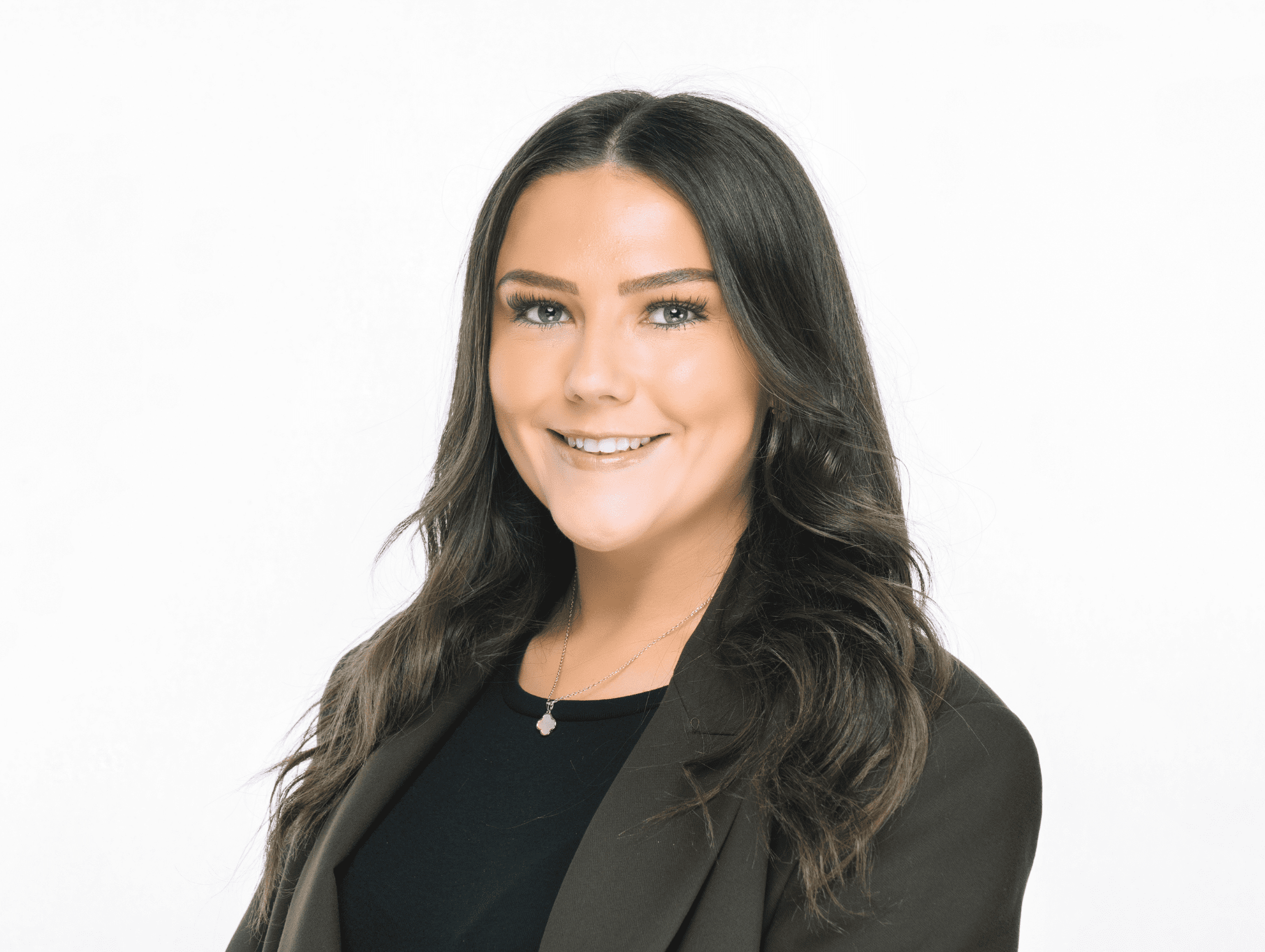
Sophie Matthias
Solicitor
Sophie Matthias is a Solicitor in our Trusts & Estates team, working in our Hanley office.
Stacey Walker
Solicitor
Stacey Walker is a Solicitor in the Trust & Estates team at our Dudley and Bewdley offices

Stuart Williams
Locum Solicitor
Stuart Williams is a Locum Solicitor in our Trusts & Estates Team working from our Coventry office.

Sue Howard
Senior Associate & Solicitor
Sue is a Senior Associate & Solicitor in our Trusts and Estates team. Qualified since 1997, Sue is a ...

Tamika Reid
Trainee Solicitor
Tamika Reid is a Trainee Solicitor in our Trusts & Estates team, based in our Worcester Office.
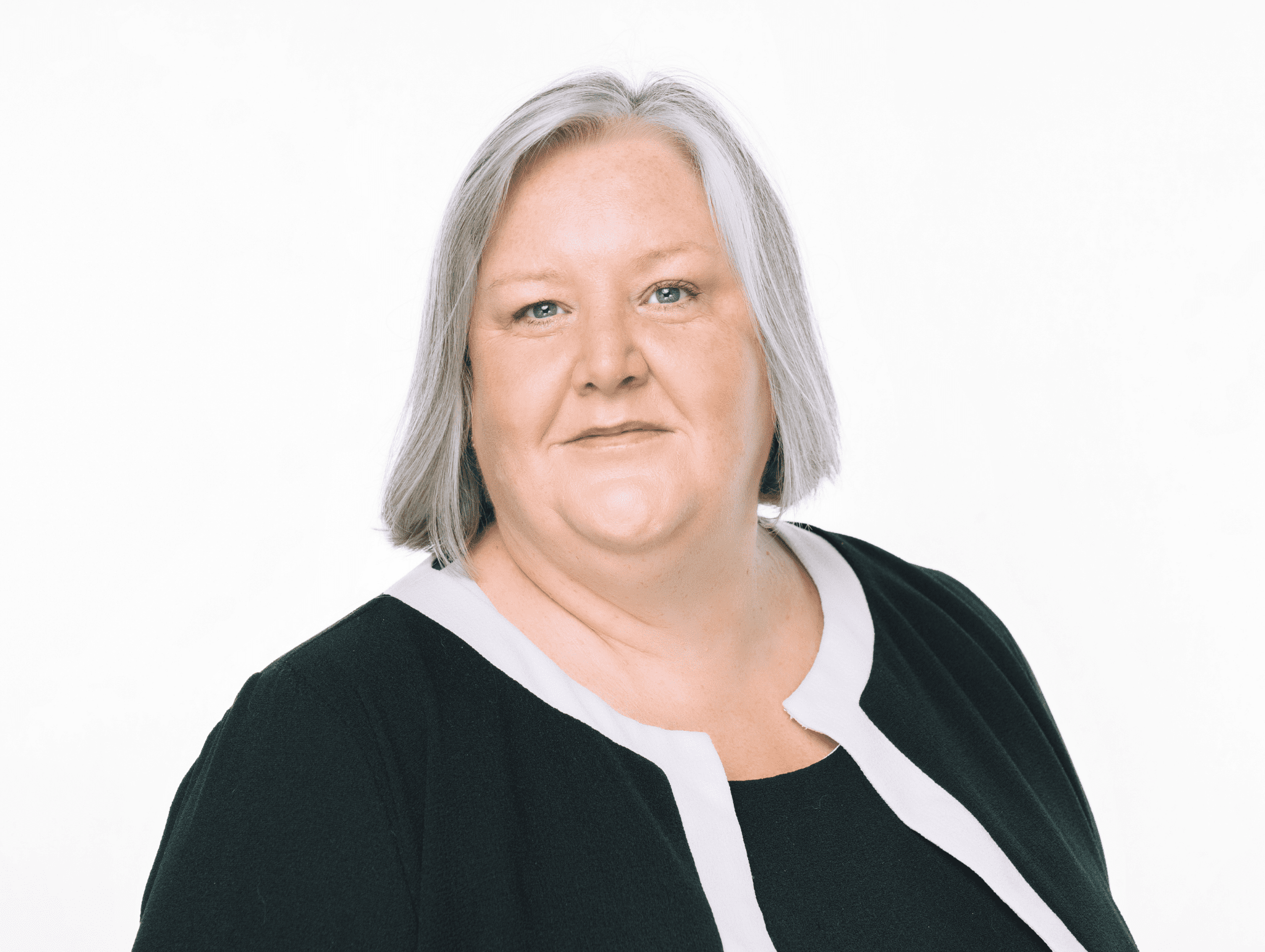
Teressa McDonald
Regional Director & Solicitor
Teressa McDonald is a Regional Director in our Trusts & Estates Team, based out of our Market Drayton...

Toni Brazier
Solicitor
Toni Brazier is a Solicitor in our Trusts & Estates Team, based in our Hanley office.

Trish Venables
Director & Head of Court of Protection
Trish is a Director and Solicitor in our Trusts & Estates team, and also our Head of Court of Protect...

Victoria Anderson
Solicitor & Associate
Victoria is a solicitor & associate in our Trusts & Estates team based at our Dudley and Codsall offi...
Planning for your future
Making a Will
Make sure you decide who benefits.
Will Disputes
Advice on challenging a will
Inheritance & Lifetime Planning
Make inheritance tax easier.
Court of Protection
Protecting your rights and wishes
Probate & Estate Administration
It's easier to plan now for your future.
Powers of Attorney
Protect your interests if the worst happens.