
Inheritance & Tax Planning Solicitors
Whether you are thinking about the future of your family home, passing wealth to children or grandchildren, or simply wanting greater peace of mind, our inheritance and tax planning solicitors can help you put the right arrangements in place.
Good planning is not just about protecting assets. It is about making life easier for the people you care about most.
What is Inheritance and Tax Planning?
Inheritance and tax planning involves organising your finances, property and assets in a way that helps protect your estate for future generations.
For some people, this means reducing the amount of inheritance tax that may be payable after death. For others, it may involve protecting family wealth, planning for later life care, supporting children or grandchildren, or ensuring assets are passed on as intended.
Putting the right plans in place early can help provide clarity and peace of mind for both you and your family.
Why Inheritance Planning Matters
Without careful planning, a larger proportion of your estate may be lost to tax or distributed in a way that does not reflect your wishes.
Planning ahead can help:
- preserve more wealth for future generations
- reduce uncertainty for your family
- support vulnerable beneficiaries
- protect family businesses or property
- provide clarity and peace of mind
Even relatively simple steps can make a significant difference over time.
No matter how complex the situation, we’ll do everything we can to find a resolution that meets your specific needs. Speak to a member of our team today to arrange a meeting by calling us on 0800 118 1500 or filling out our online form below.

When Might You Need Inheritance or Tax Planning?
Protecting Family Wealth
Many families want to ensure more of their estate passes to loved ones rather than being lost unnecessarily to tax.
Passing Property to Children or Grandchildren
Rising property values mean more people are considering how best to pass on homes and other assets efficiently.
Planning for Business or Farming Assets
Business owners and farming families often require specialist planning to help protect assets for future generations.
Later Life and Care Planning
Some people choose to review their estate planning as part of preparing for retirement or considering future care arrangements.
Following Major Life Changes
Marriage, divorce, retirement, receiving an inheritance or selling a business can all be important times to review your estate planning arrangements.
Why Choose Talbots’ Inheritance & Tax Planning Solicitors?
Our inheritance and tax planning solicitors can advise on a wide trange of matters includings inheritance tax planning, trusts, gifting assets, succession planning, protecting business or agricultural assets, estate structuring, and Wills and future planning arrangements.
At Talbots Law, we understand that inheritance and tax planning is about more than finances alone. It is about protecting the people and future you care about most. Our experienced Trusts & Estates team provides clear, sensitive and practical advice tailored to your circumstances, helping you make confident decisions without unnecessary complexity or jargon.
With offices across the country and a team of specialists covering a wide range of legal services, we are able to provide practical advice tailored to your individual circumstances. As an employee-owned firm, we are committed to delivering exceptional service, clear communication and legal support you can trust. Our reputation is reflected in the thousands of positive reviews we have received from happy clients. Read our Trustpilot reviews.
Frequently Asked Questions
How can I minimise my Inheritance Tax liability?
If you’re worried about the Inheritance Tax on your estate, there are a few solutions:
Gifts
Making a gift or gifts to family members or friends from your estate is a great way of cutting the amount of Inheritance Tax you are liable for. If you’re married or in a civil partnership, you can pass your estate – either in whole, or partially – to your spouse, tax-free. The same rules will not apply if you are in a relationship but not married or in a civil partnership, so be wary of this.
If you wish to make a gift to someone who is not your legal spouse, the value of the gift will be included in Inheritance Tax, but only for seven years. That means that if you give a certain amount to a family member or friend but you go on to live seven years longer, the gift will no longer be liable for Inheritance Tax when you die.
Trusts
By putting a certain amount of your assets into a trust fund, they will no longer count as part of your estate and therefore will not be liable for Inheritance Tax. So, if you were to set up a trust to support a family members’ education, this money would not be included in Inheritance tax.
It may, however, be subject to other forms of taxation. The rules surrounding tax and trusts vary depending on the situation, so speaking to an expert can help to clarify whether it’s a good idea for you.
Charity
A good way of reducing your Inheritance Tax bill is to give a certain amount to charity of your choice. By giving at least 10% to charity, not only do you benefit the cause, but you reduce the amount of Inheritance Tax that is due on the rest.
What is the inheritance tax threshold?
Inheritance tax is only usually charged on the value of an estate above certain thresholds set by the government. In many cases, individuals can pass on a certain amount tax-free, with additional allowances sometimes available when leaving a home to direct descendants such as children or grandchildren.
The rules can be complex and will depend on your personal circumstances, the value of your estate and who you plan to leave assets to. Seeking legal advice can help you understand whether inheritance tax may affect your estate.
Can I give money to my children tax-free?
Many people choose to give money to children or family members during their lifetime as part of inheritance planning.
Some gifts can be made tax-free straight away, while others may still be considered part of your estate for inheritance tax purposes if you die within a certain period of time. The rules surrounding gifting can be complicated, so it is important to understand the potential legal and tax implications before making large financial gifts.
What happens if no inheritance tax planning is done?
Without inheritance and estate planning, more of your estate could potentially be lost to inheritance tax than necessary.
A lack of planning can also create uncertainty for family members, particularly where property, business assets or larger estates are involved. Putting arrangements in place early can help protect assets, provide clarity and make things easier for loved ones in the future.
What is the seven-year rule for inheritance tax?
The seven-year rule relates to certain gifts made during your lifetime. In simple terms, if you live for seven years after making a qualifying gift, it may no longer count towards the value of your estate for inheritance tax purposes.
If you die within seven years of making the gift, inheritance tax may still apply depending on the circumstances. This is one reason why many people begin inheritance planning well in advance.
When should I start inheritance tax planning?
Many people assume inheritance tax planning is only necessary later in life, but planning ahead early can often provide more options and greater flexibility.
Major life events such as buying property, having children, receiving an inheritance, retirement or business ownership are all common reasons to review your estate planning arrangements. Starting earlier can help ensure your affairs are structured in the most effective way for the future.
What assets are subject to inheritance tax?
Inheritance tax can potentially apply to a wide range of assets within your estate, not just your home or savings account.
This may include property, investments, business interests, valuable possessions and certain gifts made during your lifetime. The overall value of your estate and the way assets are owned or passed on can affect whether inheritance tax becomes payable.
Our inheritance & tax planning solicitors are here to help
Contact us for a confidential, no obligation chat.
Our team are ready to
help you!
Our Inheritance & Tax Planning Team

Amy Nichols
Chartered Legal Executive (FCILEx)
Amy Nichols is a Chartered Legal Executive (FCLIEx) in our Trusts & Estates team, based in our Stourb...

Amy Thompson
Solicitor
Amy Thompson is a Solicitor in our Trusts & Estates team, based in our Stourbridge office.

Bethany Didlock
Apprentice Solicitor
Bethany Didlock is an Apprentice Solicitor in our Trusts & Estates team, based in our Worcester offic...

Beverley Stanton
Chartered Legal Executive
Beverley is a Chartered Legal Executive working in our Trusts and Estates Department in Bewdley.
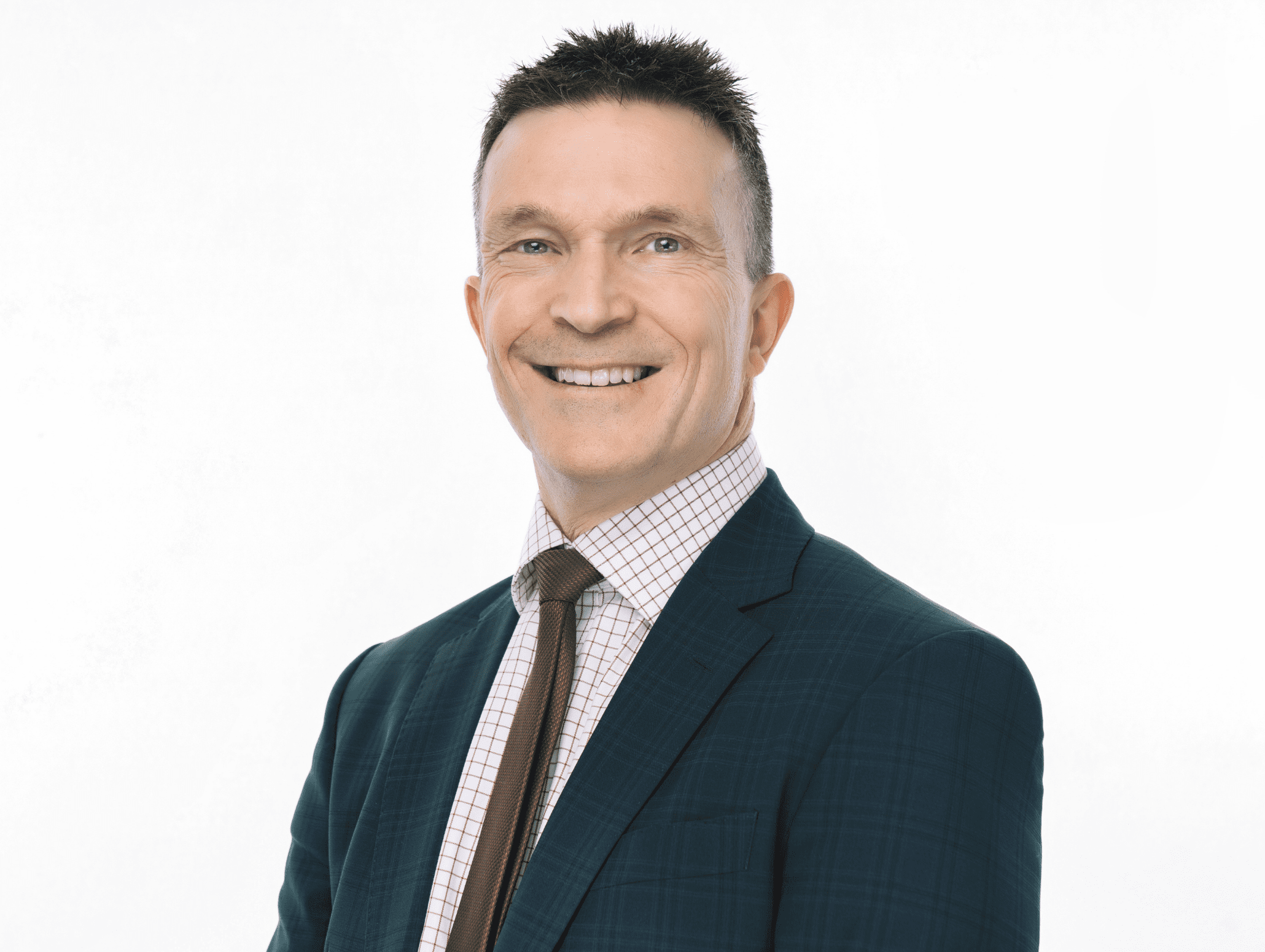
Chris Milne
Regional Director & Solicitor
Chris Milne is a Regional Director in our Trusts & Estates team, supporting clients across England an...

David Emery-Jones
Director & Solicitor
David Emery-Jones is a Director & Solcitior in our Trusts & Estates team, based in our Kidderminster o...

Emma Hawkins
Associate and Trusts & Estates Operations Manager
Emma Hawkins is an Associate and our Trusts & Estates Operations Manager, based at the Talbots Kidder...

Emma Marrow
Senior Associate & Trusts and Estates Executive
Emma Marrow is a Senior Associate & Trusts and Estates Executive in our Trusts & Estates Team, based i...

Gill Guest
Chartered Legal Executive & Associate
Gill qualified as a Chartered Legal Executive in 2006, benefiting from many years of experience, spe...
Gill Holder
Senior Associate & Legal Executive (FCILEx)
Gill Holder is a Chartered Legal Executive and Senior Associate in the Trusts & Estates team, based a...
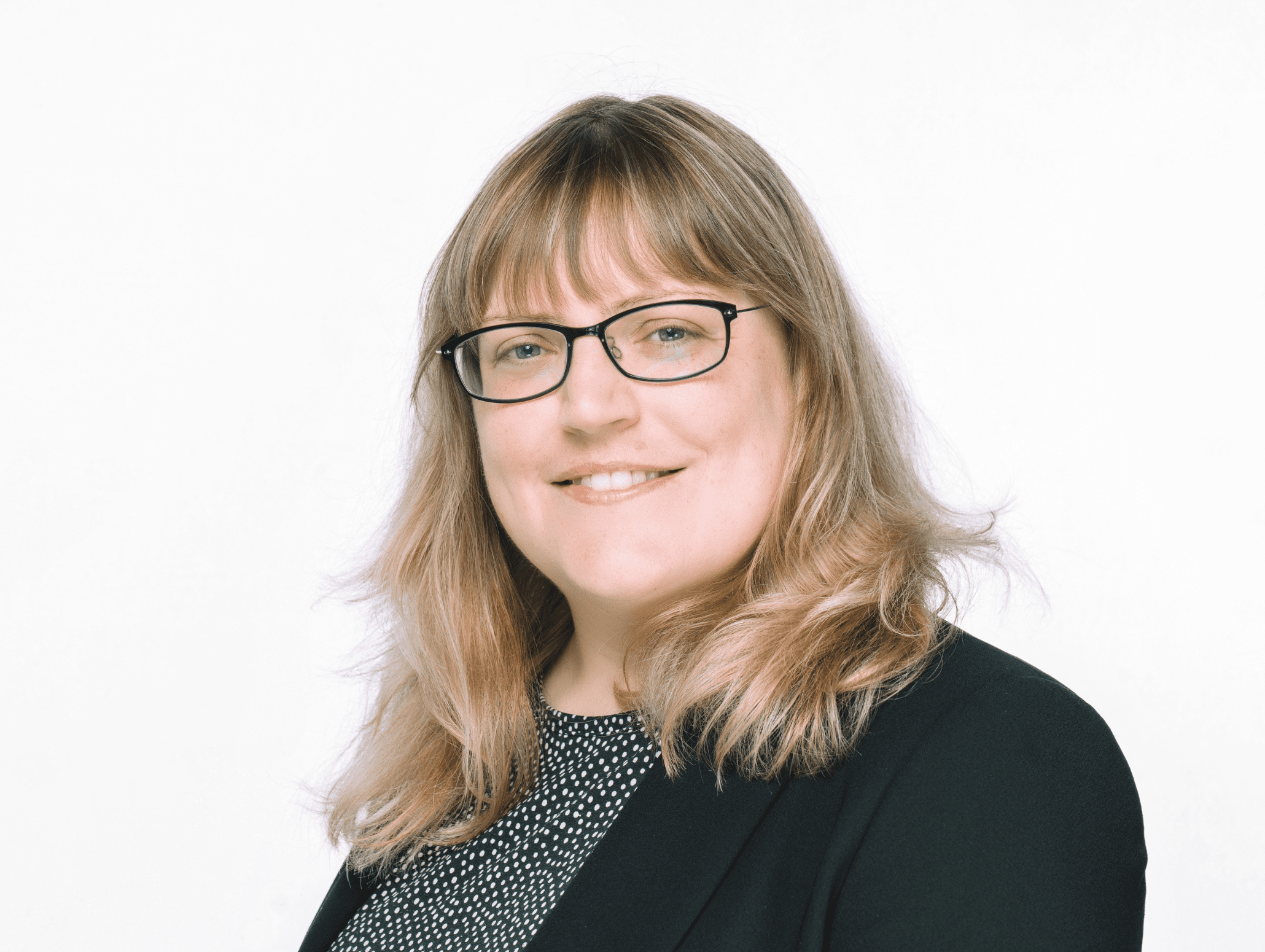
Helen Alexander
Senior Associate & Solicitor
Helen Alexander is a Senior Associate & Solicitor in our Trusts & Estates team, based in our Shrewsbur...

Holly Elphick
Director & Deputy Head of Trusts & Estates
Holly is a Director and Deputy Head of our Trusts and Estates Department and is based in our Codsall...

Imogen D'Arcy
Associate & Solicitor
Imogen D'Arcy is an Associate & Solicitor in our Trusts & Estates team, working in our Worcester offic...
Jodi Flint
Director & Head of Trusts & Estates
Jodi is a Director and the Head of our Trusts & Estates team, based at our Kidderminster office.

Joyce Anderson
Legal Executive
Joyce is a Legal Executive in our Trusts and Estates team based in Halesowen.

Karolina Peplinska
Trusts & Estates Executive
Karolina Peplinska is a Trusts & Estates Executive in our Trusts & Estates Team, based in our Halesowe...
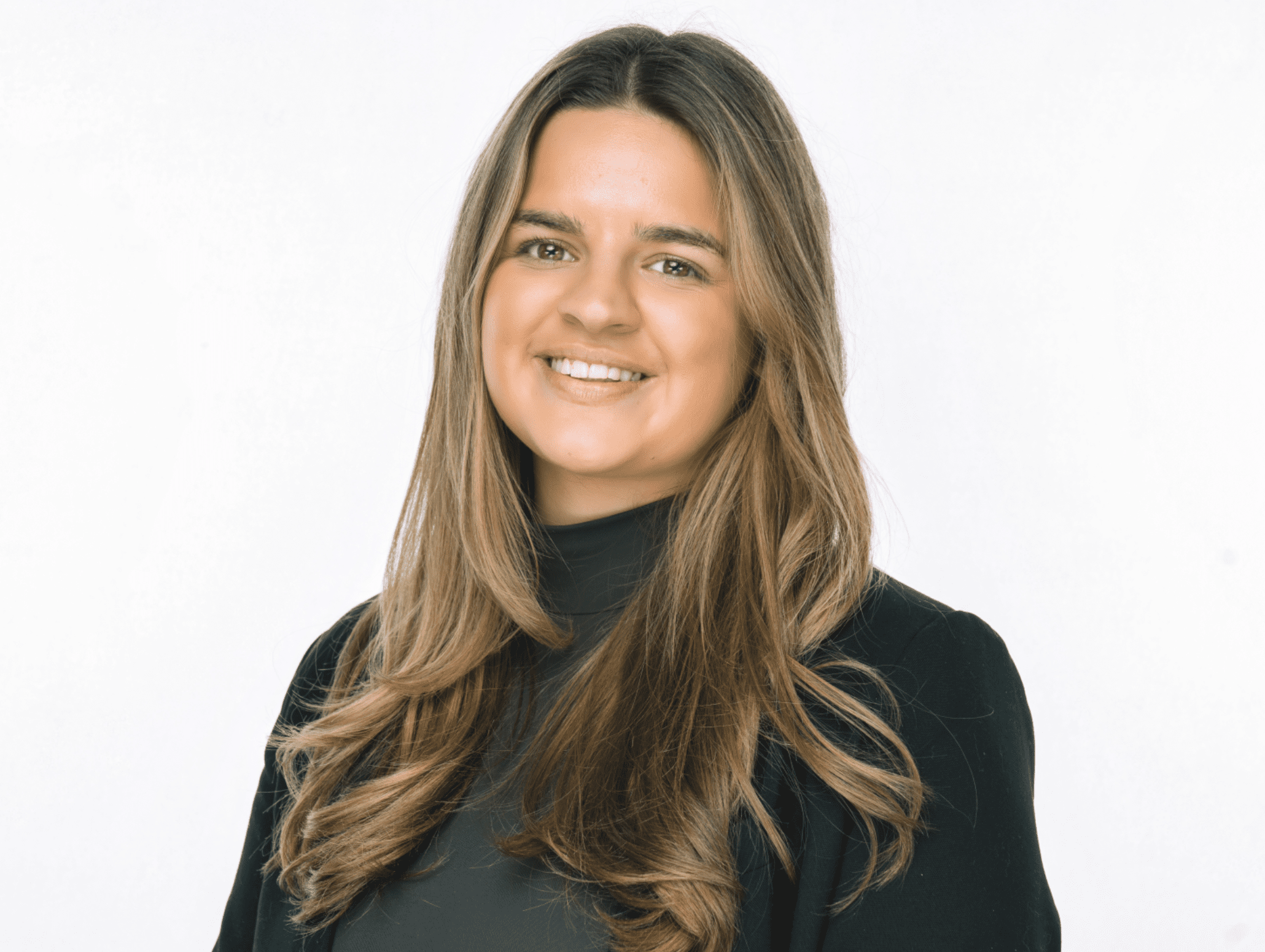
Kate Lilley
Trainee Solicitor
Kate Lilley is a Trainee Solicitor in our Trusts & Estates team, based in our Codsall office.

Katie Styles
Solicitor
Katie is a Solicitor in our Trusts & Estates team, based at our Kidderminster office, assisting clien...

Makhan Baryana
Associate & Solicitor
Makhan Baryana is an Associate & Solicitor in our Trusts & Estates team, working in our Coventry offic...

Michelle Bennett
Solicitor
Michelle Bennett is a Solicitor in our Trusts & Estates Team, based in our Hanley office.

Michelle Hetheridge
Director & Solicitor
Michelle Hetheridge is a Director & Solicitor in our Trusts & Estates Team working from our Dudley off...

Molly King
Trainee Solicitor
Molly King is a Trainee Solicitor in our Trusts & Estates department, based in our Birmingham Office ...

Nikita Cheeta
Solicitor
Nikita Cheeta is a Trusts & Estates Solicitor based in our Edgbaston office, and has supported client...

Omar Jones-Lewis
Senior Associate & Solicitor
Omar Jones-Lewis is a Senior Associate & Solicitor in our Trusts & Estates team, based in our Dudley o...

Peter Hamilton
Consultant Director
Peter Hamilton is a Consultant Director in our Trusts & Estates Team, based in our Leek office.

Rachel Manby
Senior Associate & Solicitor
Rachel Manby is a Senior Associate & Solicitor in our Trusts & Estates Team, based in our Hanley offic...

Rebecca Randle
Senior Associate & Solicitor
Rebecca is a Senior Associate & Solicitor in our Trusts & Estates team, based at our Stourbridge offic...

Rebecca Waters
Solicitor
Rebecca Waters is a Solicitor in our Trusts & Estates team, based in our Market Drayton office.

Richard Hey
Tax & Trusts Manager
Richard Hey is a Tax & Trusts Manager in our Trusts & Estates team, working in our Hanley office.

Richard Stone
Director & Head of Trust and Taxation (Solicitor)
Richard Stone is a Director & Head of Trust and Taxation (Solicitor), based at our Stourbridge office...

Rita Malhi
Senior Associate & Solicitor
Rita is a Trusts & Estates Solicitor and Senior Associate based in our Wolverhampton offices.

Ron Thomas
Senior Associate & Solicitor
Having qualified in 1992, Ron has been expertly supporting clients for more than 30 years. He is a S...

Sarah Husbands
Chartered Legal Executive
Sarah Husbands is a Chartered Legal Executive working in our Trusts & Estates team, based in Market D...

Sarah McDermott
Paralegal
Sarah McDermott is a Paralegal in our Trusts & Estates Team working from our Market Drayton office.

Shivali Gill
Senior Associate Solicitor
Shivali Gill is a Senior Associate Solicitor in the Trusts & Estates team based at our Coventry offic...
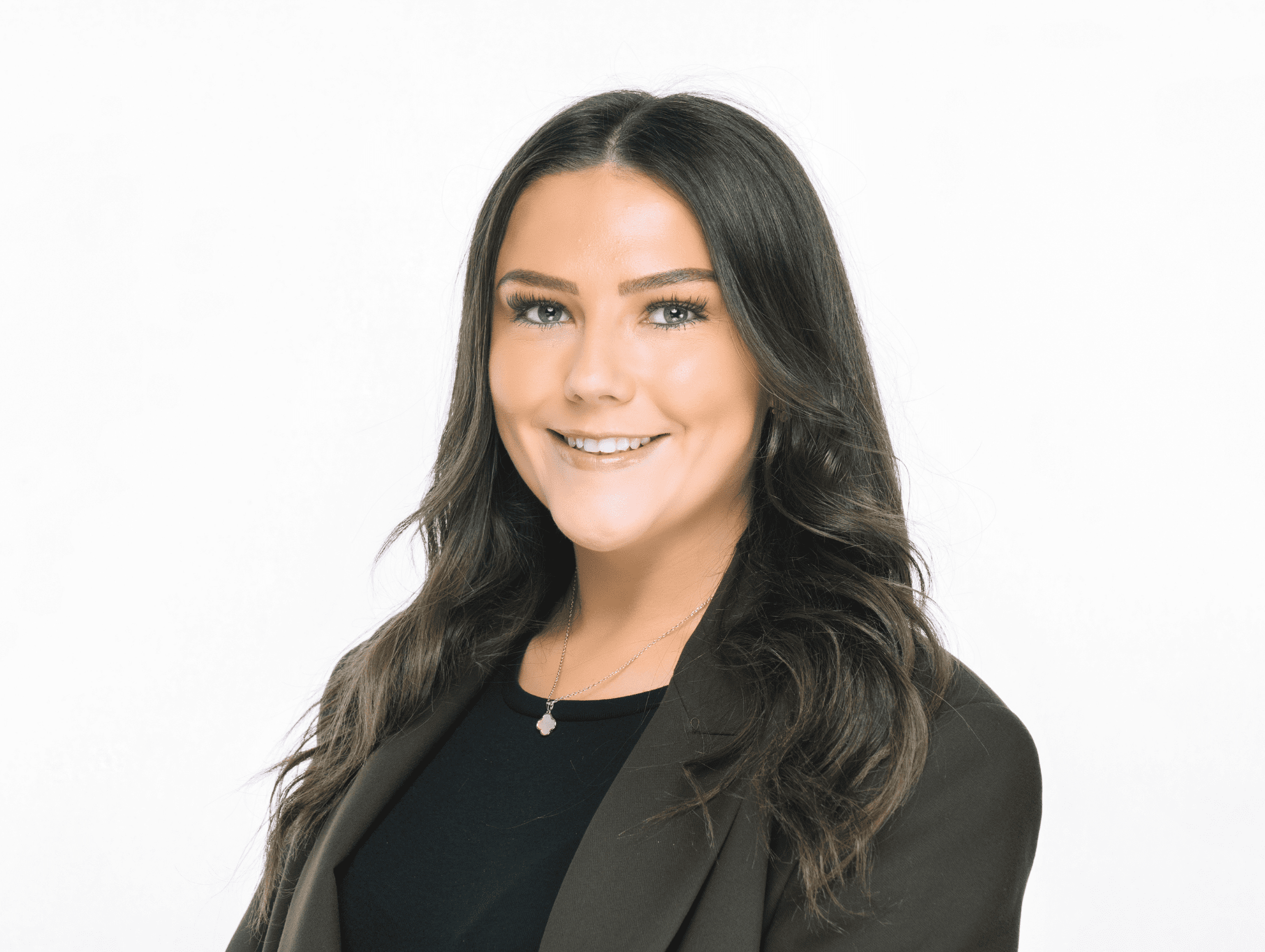
Sophie Matthias
Solicitor
Sophie Matthias is a Solicitor in our Trusts & Estates team, working in our Hanley office.
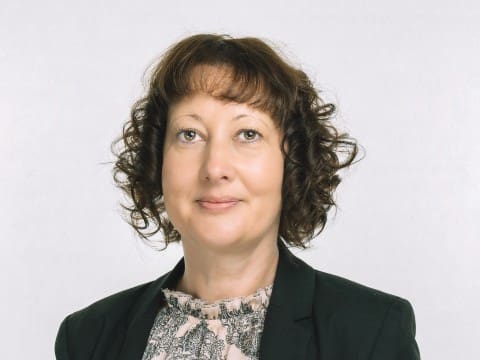
Stacey Walker
Solicitor
Stacey Walker is a Solicitor in the Trust & Estates team at our Dudley and Bewdley offices

Stuart Williams
Locum Solicitor
Stuart Williams is a Locum Solicitor in our Trusts & Estates Team working from our Coventry office.

Sue Howard
Senior Associate & Solicitor
Sue is a Senior Associate & Solicitor in our Trusts and Estates team. Qualified since 1997, Sue is a ...

Tamika Reid
Trainee Solicitor
Tamika Reid is a Trainee Solicitor in our Trusts & Estates team, based in our Worcester Office.
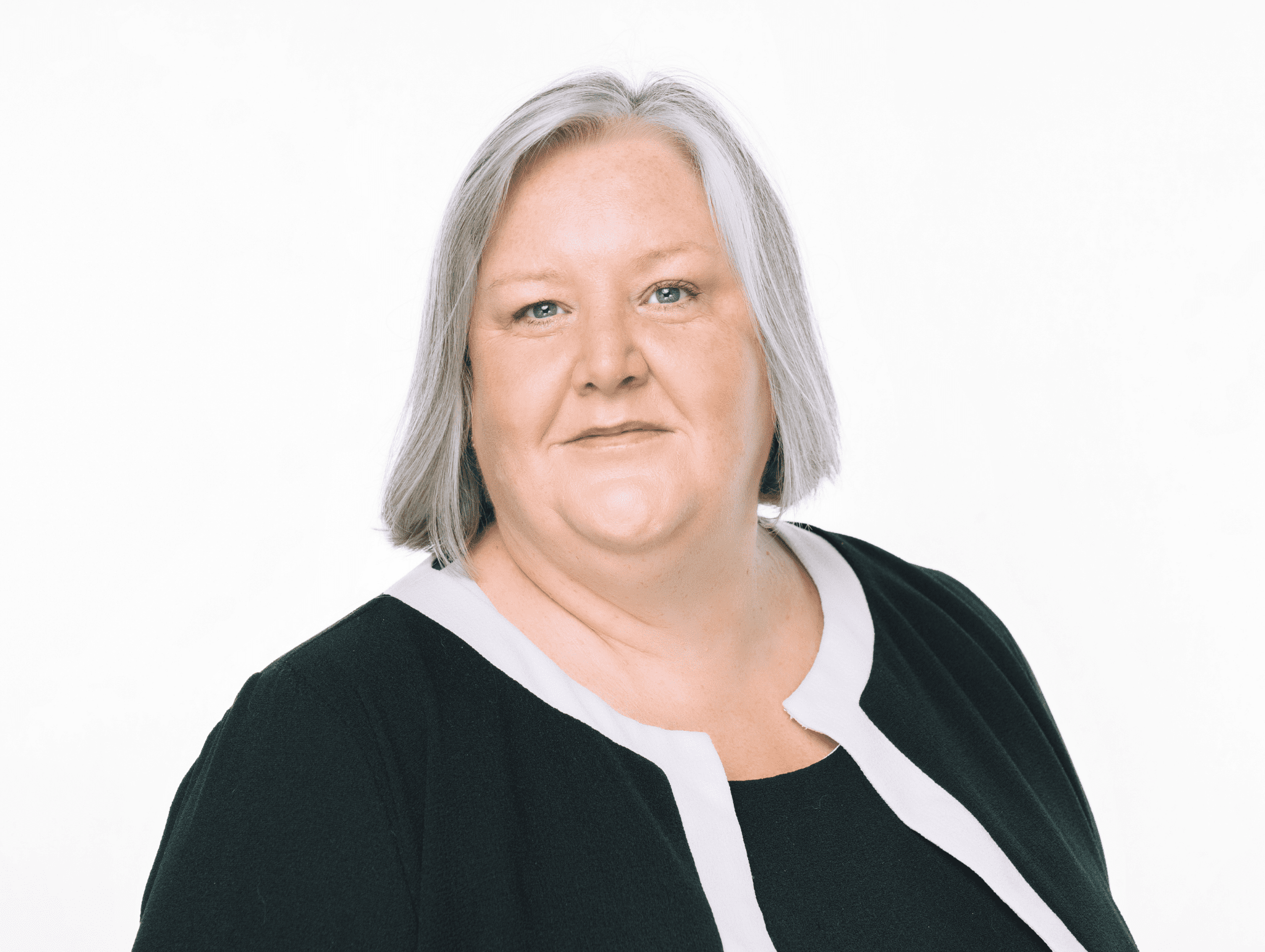
Teressa McDonald
Regional Director & Solicitor
Teressa McDonald is a Regional Director in our Trusts & Estates Team, based out of our Market Drayton...

Toni Brazier
Solicitor
Toni Brazier is a Solicitor in our Trusts & Estates Team, based in our Hanley office.

Trish Venables
Director & Head of Court of Protection
Trish is a Director and Solicitor in our Trusts & Estates team, and also our Head of Court of Protect...

Victoria Anderson
Solicitor & Associate
Victoria is a solicitor & associate in our Trusts & Estates team based at our Dudley and Codsall offi...
Planning for your future
Making a Will
Make sure you decide who benefits.
Will Disputes
Advice on challenging a will
Inheritance & Lifetime Planning
Make inheritance tax easier.
Court of Protection
Protecting your rights and wishes
Probate & Estate Administration
It's easier to plan now for your future.
Powers of Attorney
Protect your interests if the worst happens.